

Most Profitable Items to Import from China to Kenya in 2025
Introduction to Most Profitable Items to Import from China to Kenya in 2025
Importing products from China to Kenya is now a very profitable venture. It attracts entrepreneurs eager to start successful businesses in Kenya. The growing consumer market in the country makes affordable Chinese imports a great opportunity. They can meet local demand and provide substantial profits. Many investors are turning to importing instead of traditional sectors like farming. They benefit from competitive pricing and a wide range of products.
This article will cover:
- The most profitable products to import from China.
- Market insights and demand analysis.
- Strategies for a successful import business.
- Key challenges and solutions in international trade.
- Expert tips for navigating the import sector.
Why Import from China?
China is now a major global manufacturing hub, providing many benefits for Kenyan importers:
- Exceptionally competitive pricing
- Vast product variety
- Advanced manufacturing capabilities
- Scalable production options
- Flexible minimum order quantities
Key Considerations for Successful Importing
When selecting products to import, entrepreneurs must carefully evaluate several critical factors:
- Current market demand in Kenya
- Potential profit margins
- Shipping and import costs
- Regulatory compliance
- Consumer preferences and trends
High-Demand and Profitable Products to Import from China to Kenya
Choosing the right products to import is crucial for a successful business. The best products are those with high demand, good profit margins, and steady market growth.
1. Electronics and Accessories
Kenya’s digital economy is growing, and its technology-loving people require more inexpensive electronics than ever. Implementing gadgets and accessories offers a promising business opportunity.

Best Electronics to Import:
- Smartphone-masse and mid-range models are in high demand from students and young professionals.
- Smartwatch – Popular for their health and fitness tracking features.
- Power Bank – Portable Chargers should be due to continuous power outages.
- Wireless earbuds and headphone consumers prefer convenient, confused audio devices.
- Great for students and professionals looking for computing computing budget tablet-low cost.
- Phone Accessories – Items such as cases, screen guards and chargers are always necessary.
- Bluetooth speaker – favorite for personal and entertainment use.
Why electronics are beneficial:
- These products run quickly and there is high demand.
- Attractive advantage margin comes from low sourcing prices in China.
- Consumers often upgrade their devices, which ensure repeat purchase.
2. Fashion and dress
Kenya’s fashion industry is booming. This growth opens the doors to provide stylish and inexpensive clothes and accessories for importers.

Best fashion items to import:
- Trendy footwear-sneakers, sandals and formal shoes are top-squeezing items.
- Handbags and Accessories-Casti designer-style handbags appeal to women.
- Costume jewelry – earrings, bracelets, and necklaces sell well, especially among young shopkeepers.
- Fashionable sunglasses are popular throughout the year with sunglasses-UV protection.
- Seasonal clothes – warm jackets during cold weather and light outfits during summer.
- Belt, scarf, and hair accessories – cheap and easy to ship in bulk.
Why Fashion and Apparel Are Profitable:
- Clothing and accessories have a large consumer base.
- Fashion trends change frequently, driving repeat purchases.
- Low shipping costs for lightweight items.
3. Home Appliances & Kitchenware
Urban life and modern habits have boosted the need for home and kitchen gadgets that add convenience. Many Kenyan households prefer affordable, imported appliances.
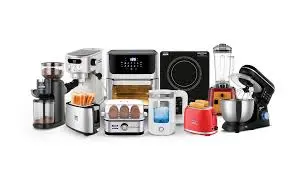
Best Home Appliances to Import:
- Electric Blenders – Great for fresh juices and smoothies.
- Rice Cookers – Popular multi-functional cookers in Kenyan kitchens.
- Electric Kettles – Common in homes and offices.
- Pressure Cookers – Save time and energy for meal prep.
- Small Kitchen Gadgets – Choppers, peelers, and graters sell fast.
- Affordable Coffee Makers – A growing coffee culture raises demand.
- Compact Food Processors – Handy for quick meal prep.
Why Home Appliances Are Profitable:
- Steady demand in urban areas.
- Essential items that need frequent replacement.
- Affordable shipping for small appliances.
4. Auto Parts & Accessories
Kenya has many used cars on the roads, leading to a steady demand for spare parts and accessories. Importing auto parts can be a profitable venture for those targeting vehicle owners and garages.
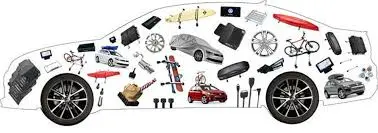
Best Auto Parts to Import:
- Car Batteries – High-demand replacement parts.
- LED Headlights & Lighting Accessories – Popular upgrades for cars.
- Replacement Tires & Wheel Accessories – Needed due to road conditions.
- Engine Components & Maintenance Parts – Filters, spark plugs, and belts are in demand.
- Car Diagnostic Tools – Used by mechanics and car owners for troubleshooting.
- Automotive Maintenance Equipment – Car wash tools, polishing kits, and cleaning supplies.
- Performance Enhancement Accessories – Turbochargers, exhaust systems, and fuel-saving devices.
Why Auto Parts Are Profitable:
- High resale value with good profit margins.
- Steady demand since cars need regular maintenance.
- Wide customer base, including mechanics, garages, and individual owners.
5. Beauty and Personal Care Products
Kenya’s beauty industry is growing, in which consumers are looking for high quality, affordable personal care products. Importing beauty items from China offers a great business opportunity.

Best Beauty Products to Import:
- Hair Extension and Wigs – Women often buy synthetic and human hair wigs.
- Makeup Products – Foundation, Lipstick and Eyeshadow are in demand.
- Skincare treatment and cosmetics-face masks, serum and anti-aging cream are trending.
- Beauty tools and application accessories – brush, makeup sponge, and tweezers.
- Hair Care Products – Shampoo, Conditioner and Treatment.
- Nail Care Products – Gel Polish, Nail Extension and Manicure Kit.
- Cheap cosmetic sets – Bundle makeup kits sell well.
Why Beauty and Personal Care Are Profitable:
- Growing beauty awareness among Kenyan consumers.
- High repeat purchase rates as products get used up quickly.
- Low shipping costs for small, lightweight items.
Factors to Consider When Choosing Products
1. Market Demand Research
Before importing, check if there is a demand for your product in Kenya. Low demand means slow sales and potential losses.
How to demand market:
- Check online marketplace like Jumia and Kilimol, Plus Social Media for trending products.
- Read online review and customer response to inspect consumer behavior.
- Go to local wholesale markets to find fast -moving items.
- Use Google Trends to track product search popularity over time.
- Join with potential customers to learn about your needs and preferences.
- Strong market demand increases the chances of quick sales and stable profits.
2. Profit Margin Assessment
A successful business needs enough profit to cover costs and grow. Calculate potential profits before choosing a product.
How to Calculate Profit Margins:
- Determine the cost of purchasing the product from China.
- Include shipping fees, import duties, and storage costs in your pricing.
- Research the average selling price in Kenya.
- Ensure the product offers at least a 30% profit margin after all expenses.
High-profit margins give better pricing flexibility and help sustain your business.
3. Shipping and Logistics Costs
Shipping costs can greatly affect your final selling price. Some products may be cheap to buy but may be expensive for the ship, reduce profits.
Things to consider in shipping:
- Product size and weight – Heavy or heavy commodities cost more to ship more.
- Shipping method – Air freight is fast but pricier; Sea goods are cheap but slow.
- Customs duty and import tax – some products face high taxes, increasing costs.
- Storage and handling fee – Do not forget the warehousing and packaging costs.
- Easily choosing shipable products helps to maintain competitive pricing and high profit.
4. Regulatory Compliance and Legal Requirements
Kenya has strict import rules that should follow each importer. Ignoring these can lead to punishment, fine or product seizure.
Major compliance area:
- Ensure that the product meets Kebs (Kenya Bureau of Standards) requirements.
- Check for any particular certificate required before importing.
- Learn about banned or banned products to avoid legal issues.
- Ensure that all necessary import documents are ready to prevent delay in customs.
- Verify compliance before giving bulk order to avoid unexpected cost or loss.
5. Competition in the Local Market
A product may be in high demand, but much more sellers can reduce the profit margin. Understanding competition helps you choose unique products or target unused markets.
How to analyze the competition:
- Go to local markets and shops to see whether similar products are available or not.
- Check online listing to compare prices and vendors.
- Identify unique sales points (USPS) to separate your product.
- Consider top products with fewer vendors but stable demand.
- Choosing products with managed competition enhances pricing and success opportunities.
6. Consumer Preferences and Trends
Consumer behaviour changes, so keep up with what buyers want. Some products might sell well for a time but lose demand as trends shift.
How to Stay Updated on Consumer Preferences:
- Follow social media trends to see what’s popular.
- Read customer reviews on e-commerce sites to learn about buying habits.
- Monitor seasonal trends – jackets, for example, sell more in cold weather.
- Research global trends and see if they fit the Kenyan market.
Importing trendy products at the right time can give your business a competitive edge.
7. Supplier Reliability and Product Quality
A reliable supplier ensures that you get high quality products on time. An incredible delivery can delay, send defective objects, or fail to fulfill the orders.
How to choose a good supplier:
Work with satisfied suppliers on platforms like Alibaba and DHGAT.
- Request the product samples before giving large orders.
- To confirm their reliability, check the supplier ratings and reviews.
- Compare many suppliers for best pricing and quality.
Building a strong relationship with reliable suppliers is a smooth, profitable import business.
8. Storage and Inventory Management
Once the products come to Kenya, they require proper storage before sale. Poor storage can cause damage and financial loss.
Thoughts for storage and inventory:
- Ensure adequate warehouse space for wholesale imports.
- Store delicate objects in safe packaging to prevent damage.
- Monitor inventory levels to avoid overtaking or exiting.
- Use inventory tracking systems to record sales and restoration requirements.
Effective storage and inventory management prevents losses and helps to run businesses smoothly.
9. Initial Investment and Financial Planning
Importing requires capital, so business owners must have a business plan and finances to cover all expenses.
Financial Planning Tips:
- Start with a small order to test product demand.
- Set aside extra funds for unexpected costs.
- Research payment options (like bank transfers and PayPal) to protect your investment.
- Plan for currency exchange fluctuations that may impact pricing.
A solid financial plan ensures stability and smooth operations for your import business.
Where to Source Products in China
It is important to find the correct supplier in the import business. China provides thousands of manufacturers, wholesalers and distributors with various products at competitive prices. Choosing the best source requires careful research to ensure quality, reliability, and cost-effectiveness.
1. Online wholesale platform
There are popular online platforms in China where businesses can buy products directly from manufacturers or wholesale vendors in bulk. These platforms offer a series of features, competitive prices and options.
A. Alibaba – Global Market
Alibaba is the B2B (trade-by-business) platform for sourcing from China. It combines buyers with manufacturers for direct negotiations and wholesale orders.
Why Use Alibaba?
- Millions of product categories across various industries.
- Direct access to verified manufacturers and wholesalers.
- Secure payment protection with Alibaba Trade Assurance.
- Option to negotiate prices and minimum order quantities.
- Customer reviews and supplier ratings help assess reliability.
How to Buy from Alibaba:
- Search for your product using relevant keywords.
- Filter suppliers by gold status and verified manufacturers.
- Contact multiple suppliers to compare prices and terms.
- Request product samples before placing a bulk order.
- Use Alibaba Trade Assurance for secure transactions.
B. 1688 – The Domestic Wholesale Platform
1688 is a China-based wholesale website aimed at local businesses. It is cheaper than Alibaba, but you may need a Chinese-speaking agent to assist with purchases.
Why Use 1688?
- Lower product prices compared to Alibaba.
- Direct access to local Chinese manufacturers.
- More flexible minimum order quantities (MOQs).
- Ideal for buying large stock at factory prices.
How to Buy from 1688:
- Work with a local sourcing agent who understands Chinese.
- Use Google Translate to navigate the website.
- Compare prices and verify supplier ratings.
- Arrange for product inspection and shipping through a trusted agent.
C. DHgate – The Alternative Sourcing Solution
DHgate is another online platform that connects global buyers with Chinese suppliers. It is known for lower minimum order quantities and buyer protection.
Why Use DHgate?
- Suitable for small-scale importers due to low MOQs.
- Secure payment system with buyer protection.
- Offers a wide range of consumer goods.
How to Buy from DHgate:
- Search for the product and check supplier reviews.
- Compare prices and MOQs from different sellers.
- Use escrow payment to protect your money.
- Track orders using DHgate’s shipping services.
2. Wholesale Markets in China
For those seeking direct contact with manufacturers and better value interaction , visiting wholesale markets in China is a good option. These provide a range of market products ** and allow importers to check quality before purchasing.
A. Yiwu International Trade Market – The largest wholesale hub
Yiwu Market, in Jhejiang province, is the world’s largest wholesale market for small goods, which claims more than 75,000 stalls selling products at factory prices.
Popular Products in Yiwu Market:
- Fashion accessories, clothing, and shoes.
- Electronics and phone accessories.
- Beauty and personal care products.
- Home goods and kitchenware.
- Stationery and office supplies.
How to Buy from Yiwu Market:
- Travel to Yiwu and visit different stalls to compare prices.
- Work with a local sourcing agent to negotiate deals.
- Inspect product quality before bulk purchase.
- Arrange logistics and shipping through a freight forwarder.
B. Guangzhou Wholesale Markets – The Fashion Hub
Guangzhou is China’s main hub for fashion, textiles, and accessories. The city has multiple markets specialising in different product categories.
Best Wholesale Markets in Guangzhou:
- Baima Clothing Wholesale Market – High-quality fashion items.
- Zhanxi Road Footwear Wholesale Market – Sneakers, formal shoes, and sandals.
- Shisanhang Garment Market – Affordable clothing in bulk.
- Guangzhou Beauty Exchange Center – Makeup, skincare, and beauty tools.
How to Buy from Guangzhou Markets:
- Visit the markets and compare prices.
- Hire a translator or sourcing agent if needed.
- Test product samples before making large purchases.
- Arrange international shipping via sea or air freight.
3. Trade Fairs and Exhibitions
Attending trade fairs in China is a great way to connect with trusted manufacturers and suppliers. These events allow buyers to inspect products, negotiate directly, and build long-term relationships.
A. Canton Fair – The Largest Trade Show in China
The Canton Fair, held twice a year in Guangzhou, is China’s biggest trade exhibition. It showcases thousands of products from different industries.
Why Attend Canton Fair?
- Meet verified manufacturers in person.
- Get exclusive discounts on bulk orders.
- Compare different suppliers in one location.
- Build direct supplier relationships for better deals.
B. China Import and Export Fair
This event focuses on export-ready manufacturers, making it ideal for international buyers. It covers electronics, textiles, machinery, home appliances, and more.
How to Attend Trade Fairs:
- Register online for event access.
- Plan your visit based on product categories.
- Collect business contacts for future negotiations.
- Compare supplier offers before placing orders.
Working with Sourcing Agents
If you are new to importing from China, working with a sourcing agent can simplify the process. A sourcing agent helps you find reliable suppliers, negotiate better prices, and handle shipping logistics.
Benefits of Using a Sourcing Agent:
- Language and cultural expertise – Helps in negotiations.
- Supplier verification – Ensures product quality and reliability.
- Logistics coordination – Handles shipping, customs, and delivery.
- Lower costs – Agents can help get better deals.
How to Find a Good Sourcing Agent:
- Look for experienced agents with positive reviews.
- Choose agents with a physical presence in China.
- Verify their ability to handle customs clearance.
- Request a trial order before committing to long-term partnerships.
Supplier Verification and Payment Security
To avoid scams and poor-quality products, always verify the credibility of suppliers before making payments.
How to Verify Suppliers:
- Check business licenses and certifications.
- Read customer reviews and ratings.
- Request product samples before bulk purchases.
- Use video calls to inspect the supplier’s warehouse.
Safe Payment Methods:
- Alibaba Trade Assurance – Ensures you get the right products.
- Letter of Credit (L/C) – Secure payment method for large orders.
- Escrow Services – Payment is released after product verification.
- Partial Upfront Payments – Avoid full prepayments to unknown suppliers.
Shipping and Import Costs
Shipping and import costs greatly affect the profitability of an import business. Even if a product has a low price, high shipping fees and import taxes can cut into profits. Knowing the various shipping options, cost factors, and tax rules helps manage expenses and make smart choices.
Choosing the Right Shipping Method
When importing goods from China to Kenya, you have three main shipping methods. The best choice depends on product type, urgency, and cost.
A. Air Freight – Fast but Expensive
Air freight is ideal for small, high-value, or urgent products. It’s the quickest method but also the priciest.
Best for:
- Electronics like smartphones, laptops, and accessories
- Fashion items such as shoes, clothes, and handbags
- Beauty products including wigs, makeup, and skincare
- Small home appliances like blenders and kettles
Advantages:
- Faster delivery, usually 5 to 10 days
- Lower risk of damage or theft compared to sea freight
- Great for lightweight, high-value items
Disadvantages:
- Costs more than sea freight
- Limited space for bulky or heavy items
B. Sea Freight – Best for Large Orders
Sea freight is the most cost-effective way to import goods in bulk. It takes longer than air freight but saves money.
Best for:
- Heavy or bulky items like furniture and industrial equipment
- Large wholesale orders of fashion and electronics
- Home appliances such as cookers, refrigerators, and washing machines
Advantages:
- Much cheaper per unit than air freight
- Suitable for large shipments with high weight or volume
- Two container options:
- Full Container Load (FCL) – Best for big orders
- Less than Container Load (LCL) – Shared container for smaller shipments
Disadvantages:
- Longer shipping time, usually 30 to 45 days
- Needs warehousing and handling upon arrival
C. Express Courier Services – Best for Small Orders
Courier services like DHL, FedEx, UPS, and Aramex provide door-to-door delivery. They are convenient but often more expensive.
Best for:
- Small sample orders for quality checks
- Urgent or high-value items needing quick delivery
- Low-volume shipments of fashion accessories or electronics
Advantages:
- Fast delivery in 3 to 7 days
- Includes tracking and door-to-door service
- The courier handles customs clearance
Disadvantages:
- Higher cost per kilogram than other methods
- Not suitable for large or heavy shipments
Factors That Affect Shipping Costs
Shipping costs depend on several factors. Knowing these helps estimate expenses and choose the best option.
A. Product Weight and Volume
- Costs are based on weight (kg) or volume (CBM)
- Bulky or heavy items are more expensive to ship
- Air freight charges are based on the higher of actual or volumetric weight
B. Shipping Distance
- Goods from southern China (Guangzhou, Shenzhen) arrive faster and cost less than from northern China
- Direct routes are cheaper than indirect ones
C. Customs Duties and Import Taxes
Kenya charges import duties and taxes on various goods. These costs must be included in the total.
Common taxes include:
- Import Duty – Varies by product category (0% to 35%)
- Value Added Tax (VAT) – 16% of the total landed cost
- Excise Duty – Applies to specific items like cosmetics and alcohol
- Import Declaration Fee (IDF) – 2% of the cost, insurance, and freight (CIF) value
- Railway Development Levy (RDL) – 1.5% of the CIF value
Example Tax Calculation
For a product worth Ksh 100,000, estimated taxes may be:
- Import Duty (25%) = Ksh 25,000
- VAT (16%) = Ksh 20,000
- IDF (2%) = Ksh 2,000
- RDL (1.5%) = Ksh 1,500
- Total Tax Payable = Ksh 48,500
Consider these costs when pricing products to ensure profitability.
Cost Calculation for Different Shipping Methods
| Shipping Method | Estimated Cost | Delivery Time | Best for |
| Air Freight | $5–$10 per kg | 5–10 days | Electronics, beauty products, small gadgets |
| Sea Freight (FCL – 20ft container) | $2,500–$4,000 | 30–45 days | Large, bulky goods |
| Sea Freight (LCL – per CBM) | $100–$300 per CBM | 30–45 days | Mixed small orders |
| Express Courier | $10–$20 per kg | 3–7 days | Small sample orders |
How to Reduce Shipping and Import Costs
Importers can take steps to lower expenses and boost profit margins.
A. Choose the Right Shipping Method
- Use air freight for lightweight, high-value products only
- Use sea freight for bulk shipping to lower per-unit costs
- Combine shipments from different suppliers into one container
B. Optimize Packaging
- Cut unnecessary packaging to reduce volumetric weight charges
- Collaborate with suppliers for space-efficient packaging
C. Negotiate with Freight Forwarders
- Compare rates from various freight forwarders
- Build long-term relationships for better pricing
D. Work with a Reliable Clearing Agent
- Professional agents speed up customs clearance
- They ensure accurate tax calculations to avoid overcharges
E. Track Shipping Regulations
- Keep updated on Kenya’s import policies to avoid surprises
- Ensure products meet KEBS standards to prevent customs issues
Common Challenges in Importing and How to Overcome Them
1. Delayed Shipments
Shipment delays are a major problem in international trade. These delays can occur due to:
- Congested ports that slow clearance.
- Unforeseen weather impacting shipping routes.
- Customs delays from missing documents.
- Supplier hold-ups in production and packaging.
How to Avoid Delayed Shipments:
- Partner with reliable freight forwarders known for their track record.
- Prepare all import documents early to prevent customs issues.
- Use tracking systems to keep an eye on shipments.
- Order goods well in advance to plan for delays.
2. Product Quality Issues
Importers often receive products that don’t meet agreed standards. This may include low-quality materials, wrong sizes, or defects.
How to Ensure Quality Control:
- Always ask for product samples before bulk orders.
- Work with trusted suppliers who have valid credentials.
- Employ third-party inspection services in China to check quality.
- Set up a clear quality agreement to hold suppliers accountable.
3. Hidden Costs and Unexpected Charges
Unexpected costs can eat into profits and affect pricing. These costs might be:
- Storage fees if goods sit at the port.
- Extra handling fees due to poor packaging.
- Unexpected taxes and levies not initially planned for.
- Fluctuating exchange rates impacting final costs.
How to Manage Hidden Costs:
- Request a detailed cost breakdown from your freight forwarder.
- Add a 10–15% financial buffer to your budget for surprises.
- Regularly check exchange rates and pay when they are favorable.
- Negotiate with suppliers for better pricing or bulk discounts.
4. High Import Duties and Taxes
Import duties and taxes in Kenya can be steep, depending on the product. Some items attract additional charges, raising total costs.
How to Reduce Tax Burden:
- Classify products correctly under Kenya’s tax rules to avoid overcharges.
- Import duty-free or low-tax items when possible.
- Use local warehouses instead of port storage to lower extra fees.
- Collaborate with a customs clearing agent for accurate tax calculations.
5. Difficulty in Finding Reliable Suppliers
Finding trustworthy suppliers in China can be tough, especially for newcomers. Some issues include:
- Fake suppliers who vanish after payment.
- Low-quality goods that fail to meet standards.
- Poor communication causing misunderstandings.
How to Find Reliable Suppliers:
- Use verified platforms like Alibaba, 1688, and DHgate.
- Check supplier ratings, reviews, and trade history before ordering.
- Start with a small test order before larger purchases.
- Use secure payment methods like Alibaba Trade Assurance or escrow services.
6. Language and Communication Barriers
Most Chinese suppliers speak Mandarin, which can lead to misunderstandings in negotiations.
How to Overcome Language Barriers:
- Use Google Translate or hire a sourcing agent who knows Chinese.
- Write in clear, simple English with direct instructions.
- Request a sample contract in English detailing all order specifics.
7. Legal and Compliance Issues
Kenya has strict import regulations. Non-compliance can lead to penalties, confiscated goods, or even business closure.
How to Ensure Compliance:
- Check that products meet KEBS (Kenya Bureau of Standards) standards.
- Ensure all import documents (like declarations) are complete.
- Stay updated on restricted or banned products to avoid issues.
- Consult a customs expert or lawyer for high-risk goods.
8. Challenges with Payment Security
International transactions carry risks like fraud and payment delays. Some importers lose money due to fake suppliers or failed deliveries.
How to Secure Payments:
- Use secure payment platforms like Alibaba Trade Assurance, PayPal, or Letters of Credit.
- Avoid paying everything upfront before receiving goods.
- Always verify supplier banking details before sending money.
- Keep transaction records and contracts for dispute resolution.
9. Handling Returns and Refunds
Returning damaged products or those not meeting specifications can be costly and complicated.
How to Manage Returns and Refunds:
- Set clear quality agreements before purchases.
- Work with suppliers who provide refund policies or replacements.
- Use third-party inspection services to check quality before shipping.
10. Competition in the Local Market
Some importers struggle to sell due to high competition or shifting market trends.
How to Stay Competitive:
- Research high-demand and unique products before importing.
- Offer better pricing, promotions, or discounts to attract buyers.
- Focus on quality and excellent customer service to build a good reputation.
- Sell through multiple channels like social media, e-commerce sites, and local shops.
Conclusion
Importing products from China to Kenya is a great opportunity for entrepreneurs. This guide highlights the major stages, challenges and strategies to make your import business reality. Kenya’s market has a significant potential for lovers importers. The relationship between Chinese manufacturers and Kenai consumers offers unique economic opportunities. Success depends on many major factors:
Understanding market demands
- Selection of right products
- Build strong supplier relationships
- Well -managed
- With rules
- Stay flexible in your attitude

