

How to Import Perfumes to Kenya: A Step-by-Step Guide
Introduction to How to Import Perfumes to Kenya
How to import perfume to Kenya is an important question for many entrepreneurs entering the cosmetics and fragrance business. International perfume demand is increasing. Importing directly from UK, India, and Dubai provides a profitable opportunity. Many prefer Kenyan-branded perfumes, niche fragrance oil, and luxury scents. This makes it an attractive business in Kenya. Perfume business is beneficial in Kenya because:
- Luxury perfumes have high resale value, attracting premium buyers.
- Importing from top sources ensures better pricing and authenticity.
- Kenya’s growing middle class is willing to invest in quality international perfumes.
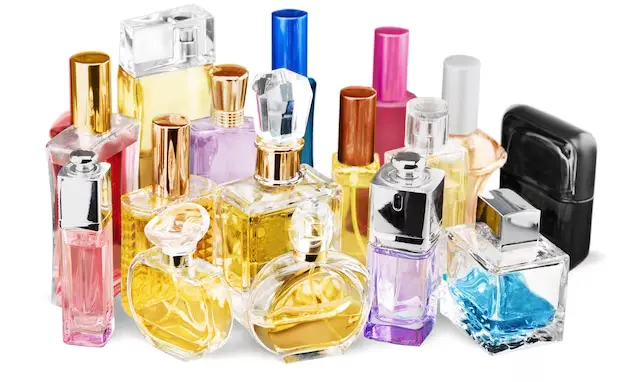
This guide provides a step-by-step process:
- The best country to import perfumes – the comparison of Britain, India and Dubai.
- Shipping options and costs – selection between air freight, C freight and courier services.
- Customs and Import Rules in Kenya – Understanding KEBS requirements, import duty and taxes.
- Step-by-step import process finding a supplier to cleaning goods and distribution.
- Total cost of importing perfume – to assess products, shipping and tax expenses.
- Benefits and Professional Tips – How to market and sell perfume in Kenya for maximum returns.
Best Countries to Import Perfumes from
When importing perfumes to Kenya, it is important to choose the correct source country. ** The UK, India, and Dubai are the top suppliers. They offer different fragrances at various prices. Every country provides a breakdown to consider the best suppliers.
1. United Kingdom (UK) – Best for Luxury and Designer Perfumes
The UK is a great source for designer perfumes from brands such as Dior, Gucci, Versace and Tom Ford. Many perfumes in the UK provide wholesale discounts and ensure authenticity.

Why import from Britain?
- Authentic designer perfume from top brands.
- Reliable wholesale suppliers with a proven track record.
- High demand for luxury perfumes in urban markets of Kenya.
Top UK supplier for perfume
- Fragrance direct – concessional wholesale designer offers perfumes.
- Perfume shop-stock high-end and mid-range perfume.
- UK perfume wholesaler – various online and physical wholesale suppliers.
The best perfume type to import from the UK
- Luxury branded perfume (channel, dior, Gucci, Tom Ford).
- Version of gift sets and collectors (ideal for high end customers).
- Top designer fragrance with unique Scents.
2. India – Best for Affordable and Niche Fragrance Oils
India is known for natural attars, essential oils, and traditional perfumes, which have a growing market in Kenya. Indian perfumes are unique, which makes them ideal for businesses targeting niche and budget-friendly customers.
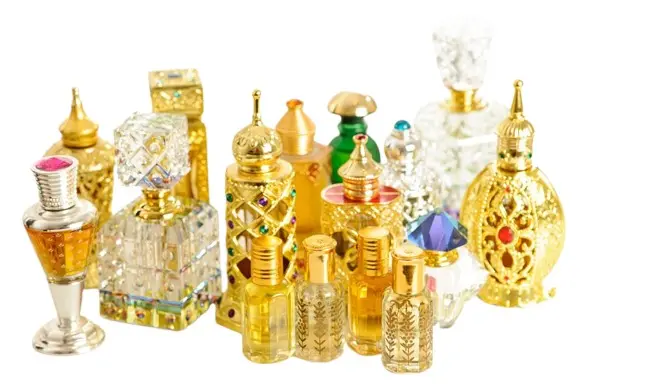
Why import from India?
- Cheap pricing – The cost of Indian perfume oils is much less than the branded perfume.
- Natural and organic options-many aroma are alcohol-free and plant-based.
- Unique Scents – perfect for customers who prefer traditional and foreign aroma.
Top Indian supplier for perfume
- Sugandhco – a major supplier of Indian attars and essential oils.
- Kazima Perfumers – Specialist in natural fragrance oils.
- Amazon India wholesaler – various sellers provide bulk perfume oil and attar.
Best perfume type to import from India
- Attars and natural perfumes (non-contact, long lasting).
- Essential oil (lavender, rose, sandalwood, oud).
- Budget friendly perfume (ideal for large -scale market sale).
3. Dubai (UAE) – Best for Affordable & Luxury Perfumes
Dubai is a global perfume hub, offering luxury, mid-range and inexpensive perfumes. Many brands have manufacturing plants in Dubai, which make perfumes cheaper than Europe. Tax-free trade sector also allows competitive pricing.

Why import from Dubai?
- Competitive pricing due to tax-free trade sectors.
- Both luxury and inexpensive options are available.
- Large perfume markets with wholesale suppliers and wholesalers.
Top Dubai Suppliers for Per Perfume
- Dubai Perfumes Souk – a wholesale market with different types of aroma.
- Al Haramain perfume-a famous brand that specializes in Odd and Arab perfumes.
- Ajmal offers a mixture of perfume, linger, middle-grain and niche aroma.
The best perfume type to import from Dubai
- Designer brands at low prices (Dior, Channel, Gucci, Hugo Boss).
- Arabian perfumes and OUD Scents (popular in Kenya).
- Budget perfumes for market sale on a large scale.
Which country should you choose?
- For luxury and designer perfumes → imports from UK.
- Import from India for cheap perfumes and natural scents.
- Import from Dubai for a mixture of cheap and premium perfumes.
Shipping Options and Costs
Once you identify your perfume supplier, the next step is to choose the best shipping method to import perfume to Kenya. The correct choice depends on factors such as cost, urgency and shipment size.
1. Air Freight – Fast but Expensive
Air freight is the fastest way to import perfumes to Kenya. This option suits businesses needing quick deliveries or small shipments. However, it is also the costliest shipping method.
Advantages of Air Freight:
- Fast delivery – Takes 5 to 10 days depending on the supplier’s location.
- Suitable for small and medium shipments – Best for orders of 50kg to 500kg.
- Secure and reliable – Less risk of damage or loss.
Disadvantages of Air Freight
- High shipping costs – Charged based on weight.
- Limited space – Not ideal for bulk imports.
Estimated Air Freight Costs
- From the UK: $10 – $15 per kg
- From India: $7 – $12 per kg
- From Dubai: $5 – $10 per kg
2. Sea Freight – Cost-Effective for Bulk Imports
Sea freight is the cheapest shipping option for large orders, but it takes longer than air freight. This is ideal for businesses importing bulk perfumes for wholesale.
Advantages of Sea Freight
- Low shipping costs – Best for large orders (500kg and above).
- More capacity – Can accommodate large perfume consignments.
Disadvantages of Sea Freight
- Longer delivery time – Takes 4 to 6 weeks.
- Port clearance required – Additional costs and paperwork needed at Mombasa Port.
Estimated Sea Freight Costs
- 20ft Container: $3,500 – $5,000
- 40ft Container: $6,000 – $8,000
3. Courier Services – Best for Small & Urgent Orders
Courier services like DHL, FedEx, and Aramex are convenient for small perfume shipments, especially for businesses that want to test the market before making large imports.
Advantages of Courier Services
- Fast shipping – Deliveries take 7 to 14 days.
- Door-to-door service – No need for clearing agents.
Disadvantages of Courier Services
- Expensive for large shipments – Best for small-scale importers.
- Higher costs per unit – Reduces profit margins.
Estimated Courier Shipping Costs
- DHL: $15 – $25 per kg
- FedEx: $12 – $20 per kg
- Aramex: $10 – $18 per kg
Which Shipping Method is Best for You?
- Use Air Freight if you need fast deliveries and are importing a moderate quantity (50kg – 500kg).
- Use Sea Freight if you are importing large quantities (500kg and above) and want to reduce costs.
- Use Courier Services for small orders (under 50kg) or when testing a new supplier.
Customs and Import Regulations in Kenya
Before importing perfume in Kenya, it is necessary to understand customs rules, taxes and license requirements to ensure smooth approval and avoid punishment.
1. Kenya Bureau of Standards (KEBS) requirements
KEBS controls the import of cosmetics and perfumes so that they can meet security and quality standards. Major requirements include:
- Perfumes should follow the KEBS safety standards – imported perfume should not have restricted or harmful chemicals.
- Pre-Shipping Inspection-Some shipment may require a pre-observation of KBS before the supplier leaves the country.
- Standardization Mark (SM) – Approved imports receive a KEBS certification mark.
2. Import duties and taxes on perfume
Importing perfume in Kenya attracts various taxes, which must be paid to the Kenya Revenue Authority (KRA) before the goods are released.
Breakdown of Import Taxes:
- Import Duty: 25% of the customs value.
- Value Added Tax (VAT): 16% of the total value, including import duty.
- Excise Duty: 10% (applies if the perfumes are classified as luxury goods).
- Import Declaration Fee (IDF): 2% of the customs value.
- Railway Development Levy (RDL): 1.5% of the customs value.
Example Cost Calculation: If you import perfumes worth Ksh 1,000,000, your estimated taxes would be:
- Import Duty (25%) = Ksh 250,000
- VAT (16%) = Ksh 200,000
- Excise Duty (10%) = Ksh 100,000
- IDF (2%) = Ksh 20,000
- RDL (1.5%) = Ksh 15,000
- Total Estimated Taxes = Ksh 585,000
3. Import Declaration Form (IDF)
Before shipping perfumes to Kenya, you must obtain an Import Declaration Form (IDF) from the Kenya Revenue Authority (KRA). A licensed clearing agent can help you process the IDF, which is required for customs clearance.
4. Licenses and Approvals Required
To legally import and sell perfumes in Kenya, you need:
- Business Registration Certificate – Required to operate a legal business.
- KEBS Product Approval – For perfumes classified under cosmetics.
- KRA PIN and Importer Code – Needed to pay import taxes and clear goods.
5. Working with a Licensed Clearing Agent
Clearing agents handle the customs paperwork, tax payments, and KEBS certification to speed up clearance. A good clearing agent helps:
- Avoid unnecessary delays at the Port of Mombasa or JKIA.
- Ensure compliance with all import regulations.
- Reduce penalties caused by incorrect tax calculations.
Step-by-Step Guide to Importing Perfumes to Kenya
Importing perfumes to Kenya involves several steps, from finding a supplier to clearing goods at customs and selling them locally. Below is a detailed step-by-step process to help you successfully import and start your perfume business.
1. Identify Your Market
Before importing, research the perfume market in Kenya to determine:
- Target customers – Are you selling to high-end buyers, mid-range customers, or wholesale traders?
- Popular perfume brands – Find out which international brands or fragrance types are in demand.
- Pricing and competition – Compare local prices to set competitive rates.
For example:
- Luxury designer perfumes (Chanel, Dior, Gucci) appeal to high-income buyers.
- Mid-range perfumes (Versace, Hugo Boss, Zara) attract working-class customers.
- Attars and fragrance oils from India are affordable and niche, ideal for budget-conscious consumers.
2. Find a Reliable Supplier
Choosing the right supplier ensures quality, authenticity, and better pricing. Depending on your budget and target market, source perfumes from:
- UK for luxury branded perfumes (Fragrance Direct, The Perfume Shop).
- India for affordable attars and essential oils (Sugandhco, Kazima Perfumers).
- Dubai for a mix of luxury and budget perfumes (Dubai Perfume Souk, Al Haramain).
How to Verify a Supplier:
- Request sample pictures/videos of their stock.
- Check reviews and ratings from other buyers.
- Verify export licenses and business registration.
- Ask for a sample order before bulk purchases.
3. Place an Order and Arrange Shipping
Once you have confirmed your supplier, place an order and discuss:
- Pricing per unit or bulk discount rates
- Payment terms (bank transfer, PayPal, Trade Assurance)
- Shipping method (air freight for fast delivery, sea freight for bulk orders)
Choose shipping based on:
- Urgency – Air freight delivers in 5-10 days, while sea freight takes 4-6 weeks.
- Budget – Sea freight is cheaper per kg but slower.
- Quantity – Small orders (below 50kg) are better shipped via courier services (DHL, FedEx).
4. Handle Customs Clearance in Kenya
Once the shipment arrives in Kenya (via JKIA for air freight or Mombasa Port for sea freight), it must be cleared by customs.
Steps for clearance:
- Submit all required documents, including:
- Invoice & packing list
- Bill of Lading (for sea freight) or Airway Bill (for air freight)
- Import Declaration Form (IDF)
- KEBS product approval
- Pay import duties and taxes to Kenya Revenue Authority (KRA).
- KEBS Inspection – Perfumes must meet safety standards.
- Goods release – After clearance, your perfumes are transported to your business location.
Tip: Work with a licensed clearing agent to avoid delays and unexpected charges.
5. Receive and Distribute the Perfumes
Once your perfumes have cleared customs, organize storage and distribution:
- Ensure proper storage – Perfumes should be kept in a cool, dry place to maintain quality.
- Sell through multiple channels – Online stores (Instagram, Jumia, Shopify), retail shops, and wholesale distribution.
- Use marketing strategies – Social media ads, influencer promotions, and discounts to attract buyers.
Total Cost of Importing Perfumes to Kenya
The total cost of importing perfumes to Kenya depends on several factors. These include product cost, shipping fees, import duties, and clearing charges. Here’s a breakdown of the estimated costs for the importation process.
1. Product Cost
The cost of perfumes varies by supplier, brand, and country of origin.
- Luxury branded perfumes from the UK – Prices range from $30 to $150 per unit, depending on the brand and quantity.
- Fragrance oils and attars from India – Cost $5 to $30 per unit, making them affordable for mass-market sales.
- Dubai wholesale perfumes – Mid-range and high-end perfumes cost between $15 and $100 per unit, depending on quality.
2. Shipping Fees
Shipping costs vary based on the method used:
- Air Freight (Fast but expensive)
- UK to Kenya: $10 – $15 per kg
- India to Kenya: $7 – $12 per kg
- Dubai to Kenya: $5 – $10 per kg
- Sea Freight (Cost-effective for bulk orders)
- 20ft container: $3,500 – $5,000
- 40ft container: $6,000 – $8,000
- Courier Services (DHL, FedEx, Aramex)
- Small parcels: $10 – $25 per kg, depending on urgency.
3. Import Duties and Taxes
All imported perfumes face Kenya Revenue Authority (KRA) taxes:
- Import Duty: 25% of the customs value
- Value Added Tax (VAT): 16% of the total cost (including import duty)
- Excise Duty: 10% (if classified as a luxury item)
- Import Declaration Fee (IDF): 2% of the customs value
- Railway Development Levy (RDL): 1.5% of the customs value
4. Clearing and Forwarding Fees
After arrival at JKIA (for air freight) or Mombasa Port (for sea freight), perfumes must be cleared by a licensed agent. Clearing fees range from Ksh 50,000 to Ksh 100,000 per consignment, depending on shipment size.
5. Estimated Total Cost
The final cost of importing perfumes depends on the volume of goods. Below is an estimated range for different shipment sizes:
- Small shipments (10-50kg): Ksh 100,000 – 500,000
- Medium shipments (50-200kg): Ksh 500,000 – 1,500,000
- Bulk imports (200kg+ or container load): Ksh 1.5M – 3M
Cost-Saving Tips
- Buy in bulk to lower per-unit costs and shipping expenses.
- Use sea freight for large orders to save on shipping.
- Work with a licensed clearing agent to avoid penalties and delays.
Is Importing Perfumes to Kenya Profitable?
Importing perfume to Kenya is a promising business. The demand for luxury and affordable scents is rising. Profit margins can vary from 30% to 100%. This depends on the perfume brand, sourcing country, and target market.
Profit Margins
- Branded perfumes (luxury and designer) – Profit margin ranges from 30% to 50%. This is especially true for premium brands like Chanel, Dior, and Gucci.
- Mid-range perfumes (Versace, Hugo Boss, Zara) – Margins can reach 40% to 70%, based on pricing strategies.
- Niche perfumes (essential oils from Attars, India) – These offer high margins of 80% to 100%. They are cheap to import and have unique market appeal.
High Demand for Imported Perfume
Perfumes are highly sought-after beauty products in Kenya. This demand comes from urban professionals, beauty lovers, and gift buyers.
- Luxury perfumes are favoured by Nairobi’s middle and upper classes.
- Affordable fragrant oils and attars attract budget-conscious buyers.
- Wholesale buyers prefer perfumes from Dubai for their cost efficiency.
Best-Selling Locations
To maximise profits, focus on areas with high demand for imported perfumes:
- Nairobi – Target luxury and mid-range perfumes in Westlands, Karen, and CBD.
- Mombasa – A strong market exists for Arabian scents and budget perfumes.
- Kisumu and Nakuru – Growing interest in branded and affordable fragrances.
- Online platforms – Many Kenyans purchase perfumes via Instagram, Jumia, Facebook Marketplace, and WhatsApp.
Challenges to Consider
- High import costs – These can impact shipping and pricing.
- Counterfeit perfumes – Selling authentic products gives a competitive edge.
- Competition – Stand out by offering unique brands, effective marketing, and competitive pricing.
Tips for a Successful Perfume Import Business
To succeed in perfume import business in Kenya, you need a strategic approach for sourcing, pricing, marketing and customer service. Here are important suggestions to help you make a profitable and durable business.
1. Create strong relations with reliable suppliers
- Work with reliable suppliers from UK, India and Dubai for authenticity and competitive pricing.
- Talk to wholesale discounts to promote low cost and profit margin.
- Always ask for samples before bulk purchase to check quality.
2. Start the small and scale slowly
- Start with small orders instead of large advance investments to test the market.
- Analyze customer preferences before adding more products.
- Profits for increasing your stock and scale to business.
3. Take advantage of online marketing for sale
- Create a strong social media appearance on Instagram, Facebook and WhatsApp to show your perfume.
- Use advertisements targeted to reach customers interested in premium and inexpensive scents.
- Sell Jumia, Shopify, or on your own website to expand your audience.
4. Provide sample size to attract customers
- Many customers prefer to test perfumes before purchasing full bottles.
- Sell small perfumes or examiners at a low price to encourage repeat purchases.
- Use free samples in publicity to promote the loyalty of the brand.
5. Separate your business with exclusive products
- Offer top Scents such as Arabian Odd perfume, Indian attars, and exclusive designer fragrances.
- Sell gift sets and limited version collections to appeal to premium customers.
- Educate customers about longevity, fragrance notes and best selling brands to achieve your belief.
6. Partner with Influencers and Beauty Shops
- Collaborate with local influencers and beauty bloggers to promote your products.
- Work with salons, spas, and fashion boutiques to stock your perfumes.
- Offer wholesale options to retailers who want to buy in bulk.
7. Ensure Proper Storage and Packaging
- Store perfumes in a cool, dry place to maintain fragrance quality.
- Invest in attractive and secure packaging to enhance the customer experience.
Comparison Table of Perfume Import Sources
| Feature | UK | India | Dubai |
| Primary Product Focus | Luxury & Designer Perfumes | Affordable & Niche Fragrance Oils | Affordable & Luxury Perfumes |
| Key Brands/Products | Chanel, Dior, Gucci, Tom Ford | Attars, Essential Oils (Lavender, Rose, Oud) | Dior, Chanel, Gucci, Oud Scents, Arabian Perfumes |
| Pricing | High (Premium) | Low (Budget-friendly) | Mid-range to High (Competitive) |
| Authenticity | High (Reputable Brands) | Varies (Check Suppliers) | Varies (Check Suppliers) |
| Shipping Costs (Approx.) | Air: $10-$15/kg | Air: $7-$12/kg | Air: $5-$10/kg |
| Ideal For | High-end Retailers, Luxury Market | Niche Markets, Budget-conscious Buyers, Aromatherapy | Retailers Seeking Variety, Wholesale, Competitive Pricing |
| Pros | Authentic Brands, Quality | Affordable, Unique Scents, Natural Options | Competitive Prices, Wide Variety, Tax-free Trade |
| Cons | Higher Costs | Quality Variation, Finding Reputable Suppliers | Quality Variation, Competition |
Conclusion
Importing perfumes to Kenya is a great business opportunity. There is a strong demand for luxury, mid-range, and niche fragrances. Sourcing from the UK, India, or Dubai is key. A clear import strategy will help ensure smooth operations and better returns.
- Choose the right supplier for authenticity and good pricing.
- Select the best shipping method based on urgency and cost.
- Comply with customs regulations to prevent delays and penalties.
- Use online and offline marketing to draw in customers.
Start small and grow gradually to lower risks.

