

How to Import Mitumba Bales to Kenya: A Step-by-Step Guide
Introduction to How to Import Mitumba Bales to Kenya
Importing mitumba bales to Kenya is highly profitable as a result of the high demand for affordable clothes. Many Kenyans prefer Mitumba for its ability, diversity, and quality. This is a great opportunity for entrepreneurs. A common question is how to import Mitumba bales to Kenya. Traders want to create a source of quality of second-hand cloth from abroad. Importing Mitumba bales can be attractive, but it requires careful planning. You should know import rules, shipping procedures, and reliable suppliers. Before starting Mitumba Im[port business in Kenya, consider these major factors:
- Market research- Find the clothing categories to sell more.
- Import Regulations – Learn about customs rules and taxes.
- Suppliers Verification – Check that you buy from reputed wholesalers.
- Shipping options and costs – Decide between air and marine goods based on your budget and urgency.
Understanding Import Regulations in Kenya
Before importing Mitumba bales to Kenya, you should follow the import rules. This helps you to avoid legal issues and delays customs. The government has strict guidelines to meet the other hand clothes health and safety standards.
1. Kenya Bureau of Standards (KEBS) Requirements
KEBS controls imports of other hand clothing to meet health standards. Major requirements include:
- Pre-Shipping Inspection: All Mitumba bales should be inspected before shipment to ensure that they are free from contamination.
- Standardization Icon: Approved Mitumba imports receive a KEBS certification mark.
- Clean and wearable: The fabric should be in good condition and suitable for resale.
2. Import Duty and Taxes
Importing Mitumba lumps to Kenya affects various taxes that affect commercial costs. This includes:
Import duty: Charged at 35% of customs price.
- Value Added Tax (VAT): set to 16% of the total cost including import duty.
- Railway Development Levy (RDL): Charged at 1.5% of customs price.
- Import Declaration Fee (IDF): Charged at 2% of customs price.
3. Import Declaration Form (IDF)
An Import Declaration Form (IDF) is needed for customs clearance. Obtain this document before your shipment arrives in Kenya. A licensed clearing agent can assist with the process.
4. Restricted and Prohibited Items
Some second-hand clothing items are restricted or prohibited from import into Kenya. These include:
- Used undergarments (like underwear and bras) – Prohibited for hygiene reasons.
- Torn, heavily stained, or unwearable clothes – Not allowed for import.
Finding a Reliable Mitumba Supplier
It is important to select the correct supplier when importing Mitumba bales to Kenya. A reliable supplier provides high quality bales at competitive prices. This helps reduce your risk of loss.

Best Countries to Source Mitumba Bales
Mitumba bales come from different countries, each with different quality and prices. Second hand clothes are the most popular countries for sourcing:
- The United Kingdom (UK)-provides high quality grade 1 Mitumba including Branded Items.
- The United States (USA)-provides a mixture of high end and budget-friendly bales.
- Canada-good quality is known for winter wear, jackets and sweaters.
- China – Bulk supplies Mitumba at low prices, although quality may vary.
- South Korea-fashionable, fashionable provides other hand fabrics.
Wholesale suppliers and markets recommended
If you are importing in bulk, look for reliable wholesale suppliers and other hand clothing markets in these countries. Here are some good sources:
- Guangzhou Markets (China) – Famous for cheap Mitumba bales.
- Some charities in UK Charity wholesaler-UK sell high quality second-handed clothes in bulk.
- Wholesale suppliers in USA and Canada – many exporter provide sorted knots according to the category, such as children’s wear, jeans and shoes.
- Alibaba and global sources such as online platforms – these sites connect buyers with bulk mitumba suppliers.
How to Vet a Mitumba Supplier
To avoid fraud and ensure quality, repeat your supplier carefully with these methods:
Request sample pictures and videos
- Ask for real images and videos of bales to check quality before purchasing.
- If possible, request a sample order to verify the quality before purchasing bulk.
Check customer review and rating
- See for reviews from other Mitumba importers using suppliers.
- Avoid suppliers with many negative reviews or complaints about quality.
Contain export license and certificate
- Confirm that the supplier is legally registered to export the other hand clothing.
- If you buy from an online platform, check the supplier verification
Shipping Options and Costs
After finding a reliable supplier, the next step is to select the best shipping method for importing mitumba bales to Kenya. The right choice depends on budget, urgency, and quantity of goods.
1. Air Freight: Fast but Expensive
Air freight is the quickest shipping method, perfect for small mitumba shipments or urgent orders. However, it costs more than sea freight.
Advantages of Air Freight
- Fast delivery – Shipments arrive in 5 to 7 days.
- Great for small shipments – Best for orders of 10-50 bales.
- Reliable and secure – Lower risk of damage or loss.
Disadvantages of Air Freight
- High shipping costs – Charges are based on weight, making it costly for bulk orders.
- Limited cargo space – Not suitable for large quantities of bales.
2. Sea Freight: Cost-Effective for Bulk Orders
Sea freight is the most budget-friendly option for importing mitumba bales in bulk. It takes longer than air freight but cuts down transportation costs.
Advantages of Sea Freight
- Lower shipping costs – Ideal for bulk orders (100+ bales).
- High capacity – Can transport large shipments in containers.
Disadvantages of Sea Freight
- Longer delivery time – Shipping takes 4 to 6 weeks.
- Port clearance required – Goods must clear at the Port of Mombasa, which may cause delays if documentation is missing.
Container Options for Sea Freight
If you opt for sea freight, you can ship mitumba bales in containers. The two standard sizes are:
- 20ft Container – Holds about 500-550 bales.
- 40ft Container – Holds about 1,000-1,200 bales (best for bulk imports).
Estimated Shipping Costs
Shipping cost depends on the original country, the number of bales and the shipping method. Here are estimated costs for various shipping options:
- Air Freight – Cost ranges from $ 4 to $ 7 per kg on the basis of country.
- The cost of a 20 feet container costs around $ 3,000- $ 4,500, while the price of 40 feet container is $ 5,000- $ 7,000 depending on the route.
Clearing and forwarding fees
When your Mitumba Shipment arrives in Kenya, you’ll need a clearing agent for customs. Clearing and forwarding fees vary from KSH 80,000 to KSH 200,000 based on your shipment size.
Choosing the best shipping method
If you are importing small batches of bales and require quick distribution, use air freight.
- Use large amounts of sea goods to save costs.
- Always work with a reliable shipping agent to avoid delays and additional expenses.
Shipping is a major cost factor when importing Mitumba bales to Kenya. Choosing the right method can help maximize profits.
Step-by-Step Process to Import Mitumba Bales to Kenya
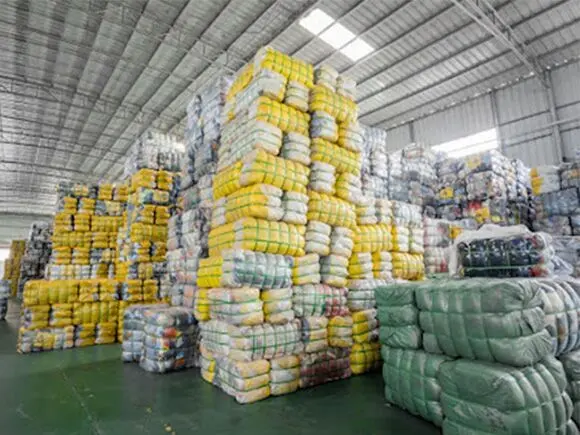
1. Identify Your Target Market
Before importing, research the type and quality of mitumba clothes in demand. Different customers prefer different grades of second-hand clothes, such as:
- Grade 1 (Cream Grade) – High-quality clothes, almost new, with minimal wear. Best for boutiques and high-end customers.
- Grade 2 – Slightly used but still in good condition. Popular in local markets.
- Grade 3 – More affordable but with visible wear. Suitable for low-income buyers.
Choose a niche that matches your budget and target customers.
2. Find a Trusted Mitumba Supplier
Look for reliable suppliers from countries like the UK, USA, Canada, China, and South Korea. You can use wholesale suppliers, charity wholesalers, or online platforms like Alibaba.
Tips for verifying a supplier:
- Request sample pictures and videos of the bales.
- Check reviews and ratings from other importers.
- Confirm export licenses and certifications.
3. Negotiate Prices and Payment Terms
Once you have identified a supplier, negotiate bulk pricing and payment options. Many suppliers accept:
- Bank transfers
- PayPal or Trade Assurance (for security)
- Partial payments before shipping and balance after delivery
Make sure you agree on delivery timelines to avoid unnecessary delays.
4. Arrange for Shipping
Choose the best shipping method based on budget and urgency:
- Air Freight – Fast but costly, suitable for small shipments.
- Sea Freight – Affordable for bulk imports, but takes longer.
If using sea freight, decide between:
- 20ft Container – Fits 500-550 bales.
- 40ft Container – Fits 1,000-1,200 bales, ideal for large-scale business.
5. Prepare Import Documents
Before your shipment arrives in Kenya, ensure you have the required documentation for customs clearance. These include:
- Invoice – Provided by the supplier, detailing the total cost of the bales.
- Bill of Lading (BOL) – Shipping document required for sea freight.
- Packing List – Specifies the contents of your shipment.
- KEBS Clearance Certificate – Confirms the quality of mitumba bales.
- Import Declaration Form (IDF) – Required for clearing the goods at the port.
6. Customs Clearance in Kenya
Once your shipment arrives at the Port of Mombasa, you need a licensed clearing and forwarding agent to handle customs clearance.
Steps for clearance:
- Submit all import documents to the Kenya Revenue Authority (KRA).
- Pay import duty and taxes, including VAT (16%), Import Duty (35%), and other levies.
- Customs Inspection – KEBS verifies that your shipment meets quality standards.
- Release of Goods – Once cleared, your goods are transported to your warehouse or distribution point.
7. Distribution and Sales
After cleaning your Mitumba lumps, the final stage is distribution and sales. You can choose:
- Wholesale for retailers in markets like Gikomba, Toi, and Muthurwa.
- Sell directly through online platforms such as Facebook, Instagram, WhatsApp and Jiji.
- Open a physical shop or market stall to reach the walk-in customers.
General challenges and solutions
Implementing Mitumba lumps in Kenya can be beneficial, but it has challenges. Understanding these issues and how to deal with them will help to ensure smooth operations and promote profits.
1. Customs withdrawal delay
A major challenge is a delay on the port of Mombasa. This may be due to incomplete documents, unpaid duties or a crowd of port.
Solution:
- Work with a efficient clearing and forwarding agent for customs paperwork.
- All the necessary import documents like import declaration form (IDF), Kebs certificate, and Bill of Lading are ready.
Pay all taxes and duties on time to avoid punishment.
2. Poor Quality Bales
Some importers get low-quality or unsellable mitumba bales from dishonest suppliers, causing losses.
Solution:
- Vet suppliers carefully by checking reviews and asking for sample pictures/videos before ordering.
- Collaborate with trusted wholesale mitumba suppliers from reputable countries like the UK, USA, or Canada.
- Start with a test order before placing bulk orders.
3. High Import Costs
Importing mitumba bales involves costs like shipping fees, customs duties, and clearing agent fees. These can eat into profit margins.
Solution:
- Ship in bulk to lower costs per bale. A 40ft container (1,000+ bales) is cheaper than smaller shipments.
- Negotiate shipping rates with reliable freight forwarders.
- Use sea freight instead of air freight to save on transportation costs.
4. Competition from Local Suppliers
Mitumba Business is competitive in Kenya, in which many traders sell the other hand clothes.
Solution:
- Separate your business by offering unique, high quality items such as grade 1 and designer brands.
- Use online platforms like Facebook, Instagram and WhatsApp to reach more customers.
- Provide discounts and promotion to attract and keep buyers.
5. Shift in market demand
The demand for Mitumba varies from the weather. For example, jackets and heavy fabrics are sold more in cold weather, while light clothes are popular when heated.
Solution:
- Stock on seasonal items before peak demand periods.
- Bring variations in your product range to include various fabrics, shoes and accessories.
- Monitor market trends which lumps are in high demand.
6. Fraud and Scams
Many new importers fall prey to fraudsters posing as genuine mitumba suppliers.
Solution:
- Only buy from verified suppliers with export licenses.
- Use secure payment methods like PayPal, Trade Assurance, or Letter of Credit for payments.
- If possible, visit supplier warehouses or send a trusted agent to inspect goods before purchasing.
Tips for a Successful Mitumba Business
1. Start with a Small Test Order
If you are new to the business, avoid large bulk purchases at first. Instead, start with a small test order to:
- Assess the quality of the mitumba bales.
- Understand customer preferences before scaling up.
- Reduce risks in case of unexpected market fluctuations.
2. Identify and Target the Right Customer Base
Not all mitumba customers want the same quality or price range. Targeting a specific market will help you make better sales.
- High-End Market: Focus on Grade 1 (cream) mitumba with trendy and branded clothes.
- Budget Buyers: Sell Grade 2 & 3 mitumba at affordable prices.
- Wholesale Business: Buy in bulk and supply to mitumba retailers.
3. Leverage Online Sales and Social Media
Social media is a powerful tool for selling mitumba and reaching more customers.
- Use Facebook, Instagram, and WhatsApp to showcase your stock.
- Post high-quality photos and videos of your mitumba bales.
- Engage customers with special offers, promotions, and live sales.
4. Work with Reliable Clearing and Forwarding Agents
Customs clearance is one of the most challenging steps in mitumba importation. A trusted clearing agent can help:
- Ensure all import documents are correct.
- Speed up clearance and reduce delays.
- Prevent extra costs caused by errors in the paperwork.
5. Build Strong Relationships with Suppliers
Long-term relationships with good suppliers help in getting better deals and priority shipments.
- Negotiate bulk discounts for higher profit margins.
- Ask for special packaging or labeling for premium mitumba bales.
- Always maintain clear communication to avoid misunderstandings.
6. Stay Updated on Market Trends
Fashion trends change, and so does the demand for different types of mitumba clothing.
- Keep track of seasonal demand (e.g., jackets in cold seasons, light clothing in hot months).
- Watch out for new fashion trends in the local market.
- Adjust your stock based on what customers are looking for.
7. Offer Competitive Prices and Promotions
Customers are always looking for affordable yet high-quality mitumba. To attract and retain buyers:
- Offer discounts on bulk purchases.
- Introduce flash sales and giveaways to boost customer loyalty.
- Provide bundle deals (e.g., buy 3 clothes at a discount).
Conclusion
Importing Mitumba bales to Kenya is a profitable business opportunity. However, this requires careful planning, supplier checks and following the rules. By following the right steps, you can start and develop your Mitumba business by reducing the risk.
Mitumba is the major steps in the import process here:
- Do research on the market to know about customer preferences and demand.
- Find a reliable supplier from countries like UK, USA, Canada or China.
- Choose the best shipping method based on your budget and urgency. Use air freight for small orders and sea goods for bulk imports.
- Ensure that all import documents are ready to avoid delay in customs.
- Sell through physical stores and online platforms to increase access and profit.
